Centrosome assembly
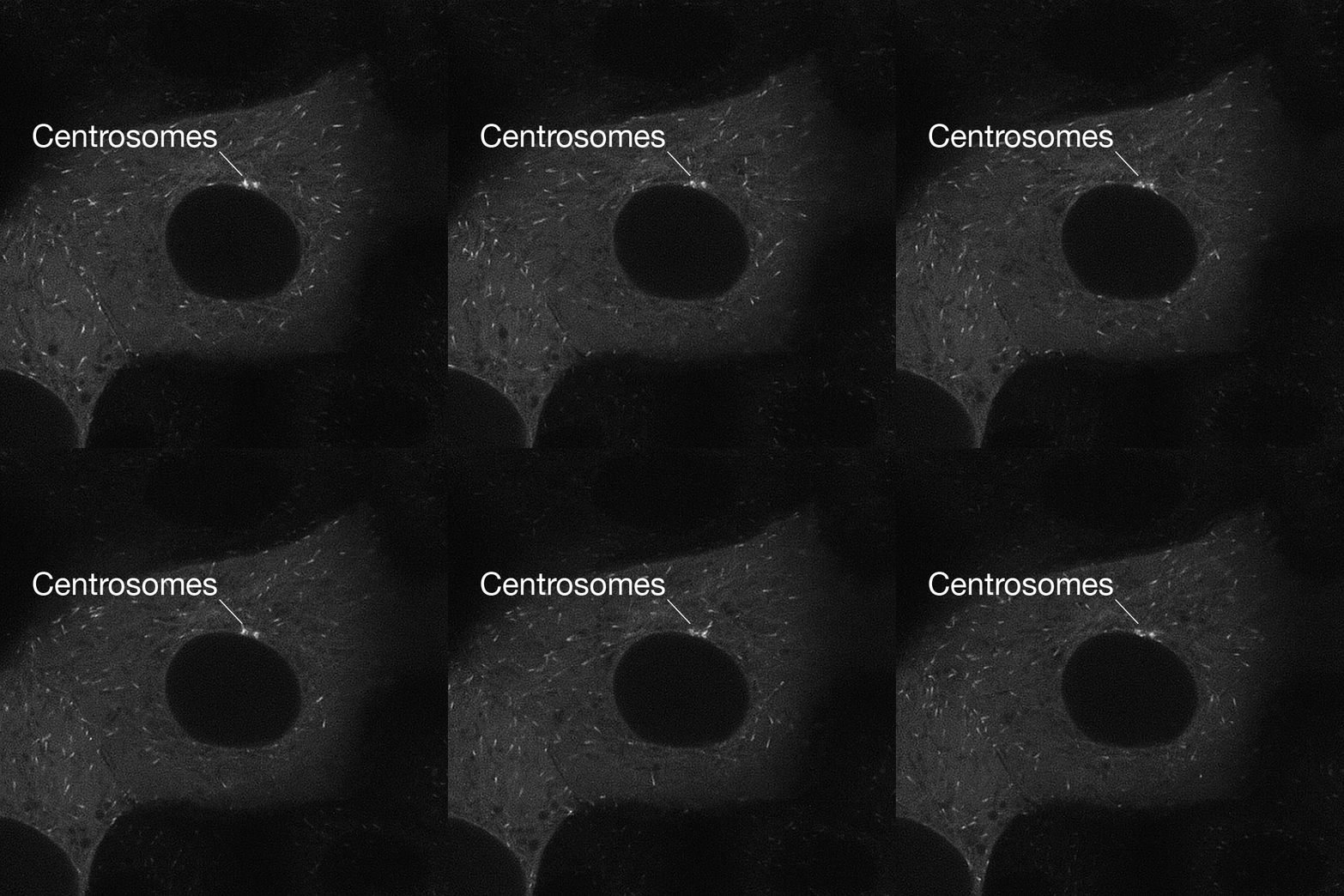
The centrosome is a major microtubule-organizing center in animal cells. It consists of a pair of centrioles surrounded by a proteinaceous network of pericentriolar material (PCM). The PCM contains hundreds of proteins and is not a static organization.
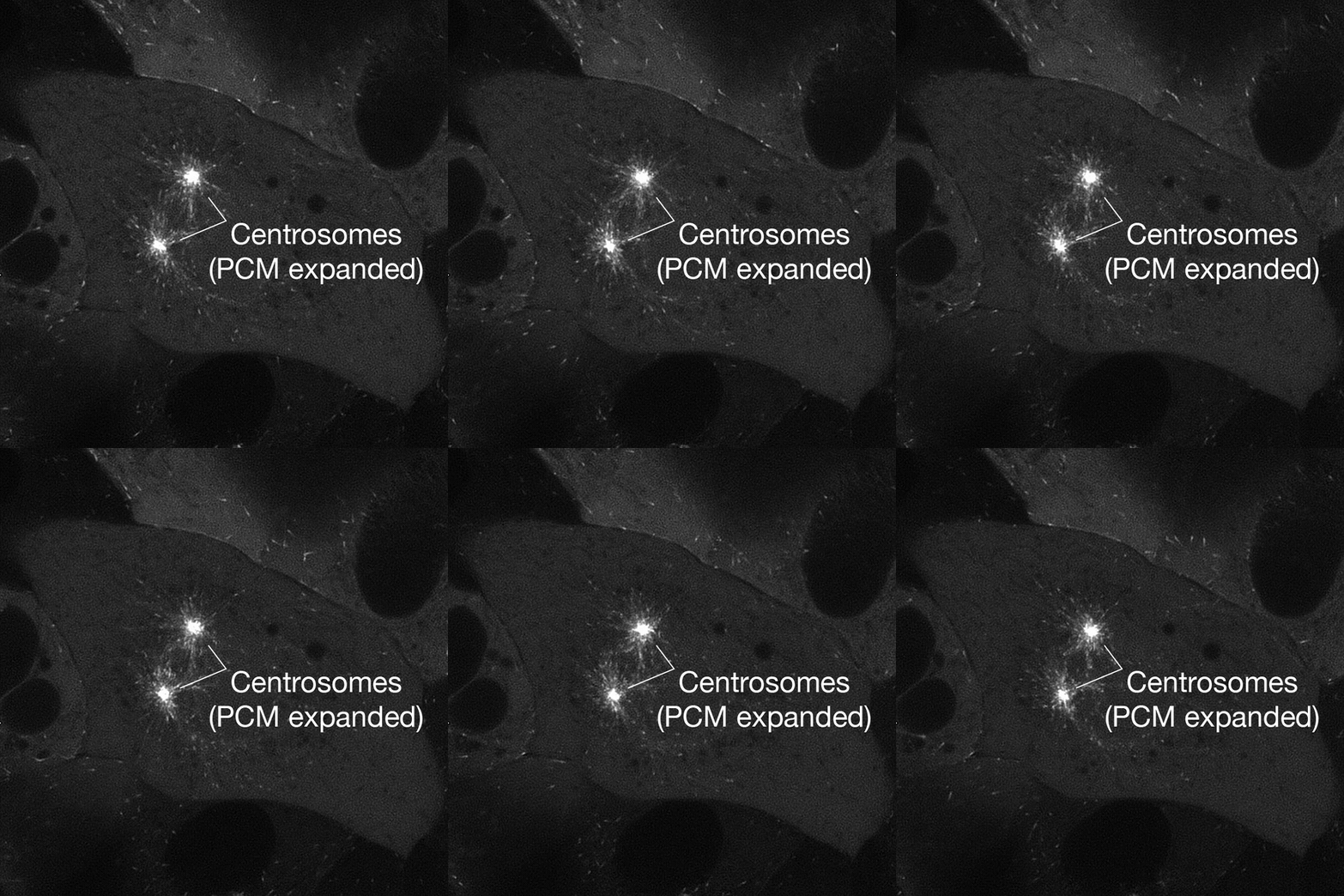
As the cell enters mitosis, the PCM expands into a micron-sized ensemble in a process termed centrosome maturation. The expanded PCM makes the centrosome a robust microtubule-organizing center and ensures the faithful segregation of chromosomes during mitosis.
Although many proteins important for centrosome maturation have been identified at the molecular level, the mechanism underlying PCM assembly and centrosome maturation remains elusive at the organellar level. For example, how is the rapid expansion of PCM achieved? Without an enclosing membrane, what keeps the crowded PCM proteins from dispersing?
Interphase
Centrosome
maturation
Early M phase
Co-translational transport of PCNT facilitates centrosome maturation
In vertebrates, pericentrin (PCNT) is the key PCM scaffold protein that initiates centrosome maturation in a polo-like kinase 1 (PLK1)-dependent process and acts upstream in recruiting other PCM proteins. Its activity is precisely regulated—PCNT overexpression in trisomy 21 underlies some clinical features of Down syndrome (PCNT gene is located on Chromosome 21), and loss-of-function PCNT mutations cause microcephalic dwarfism.
We show that PCNT is transported to mitotic centrosomes co-translationally to facilitate timely PCM expansion (see the model). During this process, PCNT nascent polypeptides co-translationally assemble with the dynein motor complex so that PCNT polysomes are transported toward the centrosome.
Importantly, several other cytoplasmic proteins have since been found to be transported to various subcellular compartments co-translationally, suggesting that co-translational targeting of cytoplasmic proteins to subcellular destinations is a generalized protein targeting mechanism, akin to the co-translational targeting of secretory proteins to the endoplasmic reticulum.

Human PCNT undergoes phase separation and the resulting condensates have centrosome-like activities
We find that endogenously GFP-tagged PCNT forms dynamic pericentrosomal condensates during centrosome maturation. PCNT condensation is driven by the coiled-coil-rich middle segment of PCNT (residues 854–1960), which itself also forms dynamic condensates that move toward the centrosome in a dynein-dependent manner (see the movie).
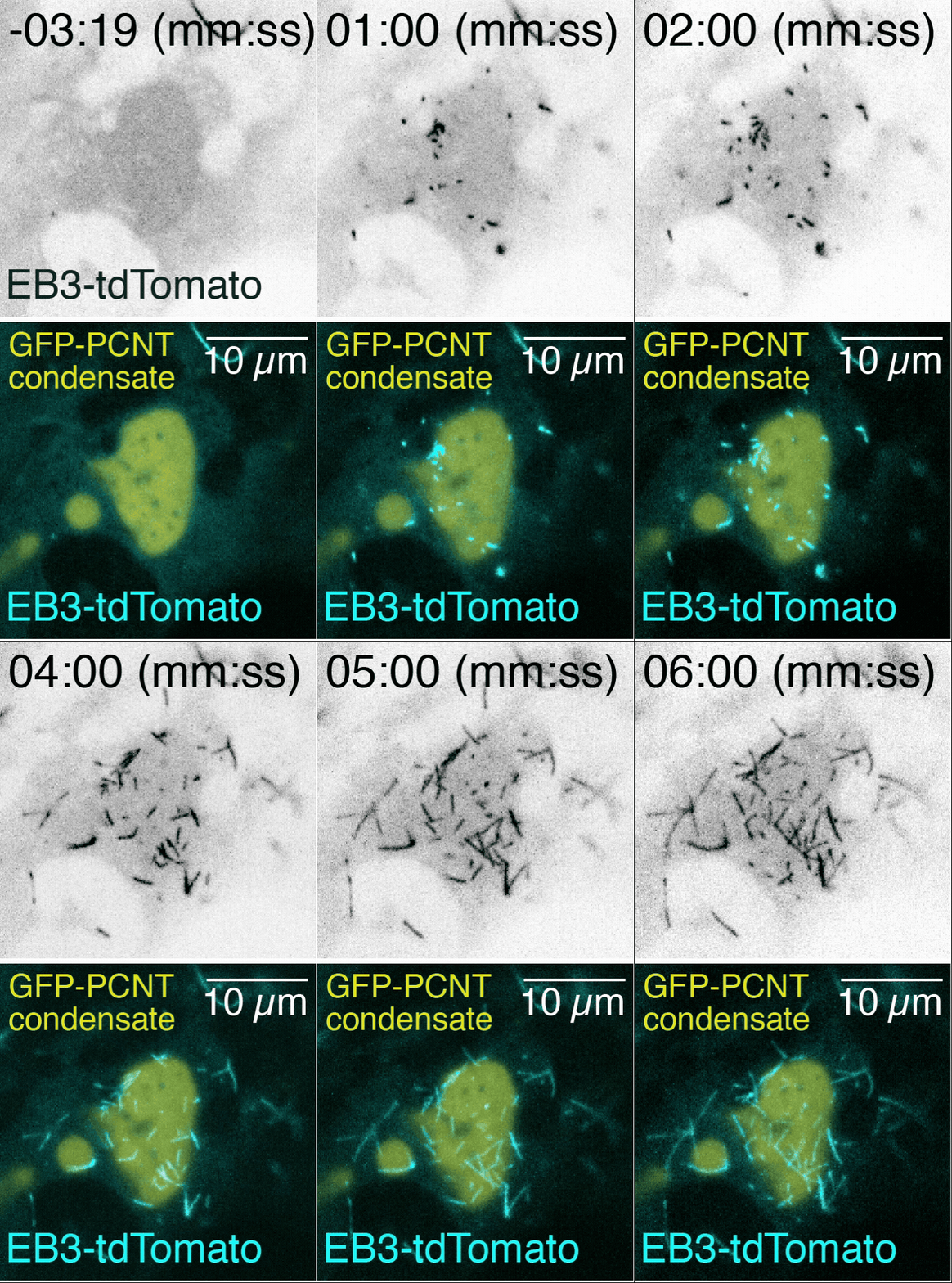
PCNT (854–1960) condensates selectively recruit centrosomal proteins, but exclude others, and possess a centrosome-like activity of nucleating microtubules in cells (see the movie below). This work illuminates how coiled-coil-mediated protein condensation helps assemble a membrane-less organelle and impart new functions (e.g., microtubule nucleation) at the mesoscale.
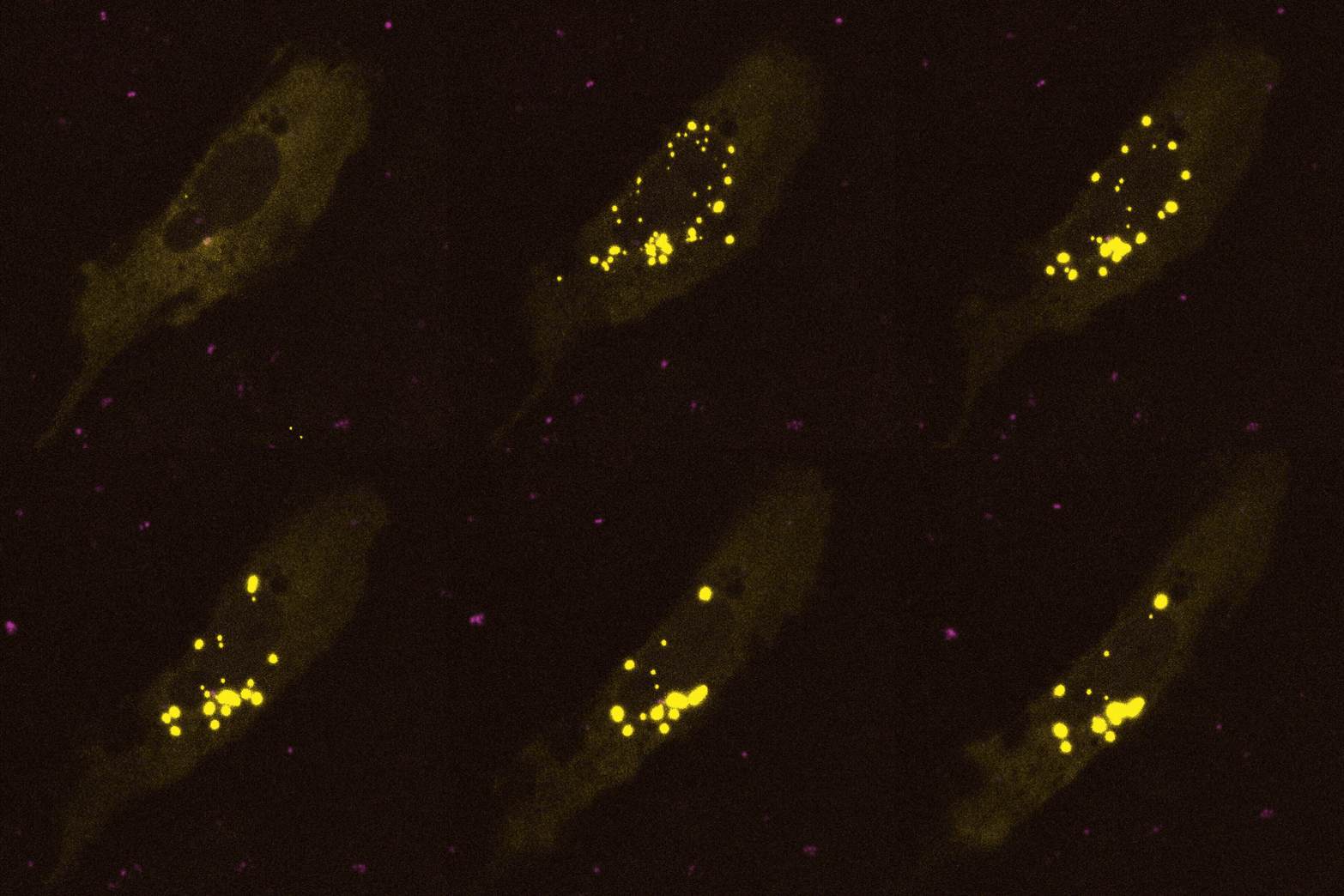
GFP-PCNT (854–1960)
miRFP670-CETN2 (centrosome)